Other Writing
THE New yorker
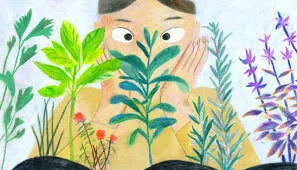

Eastern European soul food, for me, begins in Bangkok. Where else would one expect to find an expert on chicken paprikash? My family’s last surviving one lives there, with a street cat called Mango and her half-Thai, quarter-Indian, quarter-Hungarian-Jewish, entirely American grandson.

I don’t understand the point of garden visits. Why do ordinary people, the owners of mere balconies and tiny yards, torment themselves by touring other people’s grand estates? Nut trees, stables, ancestral compost heaps: I need no reminder of what I am missing.

For most of us, apartment dwellers and city types, houseplants are an admission of defeat. We look wistfully at plants in the supermarket—tendrils and fronds, furry flaps, spines and holes and soft neon shoots—persuading ourselves that they might bring us comfort.

Only two years ago, when I was finishing my memoir of gardening obsession, “Rhapsody in Green,” I claimed that I had no time for houseplants. Prickly, diminutive, macramé-reliant: I’d rarely been less tempted by anything.

Ordinarily, my garden and I are embarrassing to be around. I can’t keep my hands off it; visitors, work, and children are all mere obstacles on the path of true pleasure.

Oh, America: blue breakfast cereals and string made of fruit are not perfectly normal childhood foodstuffs. Your young are corrupted by pleasure. Unfortunately, I was too.
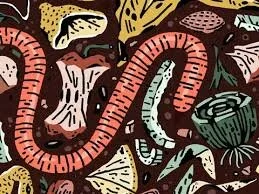
I say “autumn,” you say “fall.” Obviously, I’m right. But maybe we can compromise with “harvest,” the season’s traditional name. At this time of year, anyway, what one really needs is adjectives, and “fall-like” just won’t do.
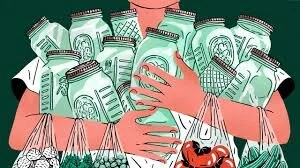
Like virtually every bookish child in the Western world, I inherited certain lessons from Laura Ingalls Wilder. Reading the “Little House on the Prairie” series as a girl, I believed three things: that my future womanly waist would be small enough for Pa’s hands to encircle; that snow could freeze maple syrup into delightful snacks; and that the secret to security and happiness lay in preserving fruits and vegetables for winter.

My Hungarian-Czech grandmother, an otherwise goodhearted and generous woman, had a notoriously lax attitude toward property rules: bank pens, ashtrays, and hospital slippers all were fair for the taking.
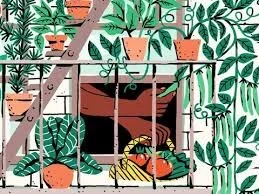
Don’t worry; it’s perfectly normal. You live in a city, but nurse secret fantasies of growing your own supper: brimming handfuls of sweet green peas, squeakingly fresh spinach; new potatoes rolling like unearthed treasure over the soil.

Once upon a time, like most sane people, I was utterly uninterested in gardening. I wasted my time and money on reasonable things: secondhand books, dramatic spices, jackets that I hoped might transform me into the well-groomed and self-possessed novelist I still intend, one day, to become.

Haven’t you heard the stories of gardeners who, after a single rose-thorn puncture, lost an arm, or more? It’s not that I hate roses. I will acknowledge that, in certain circumstances—breeze-ruffled in the lilac dusk of a Provençal evening, say, or trained by generations of grateful college servants against honeyed Oxford limestone—a rose can achieve glory: the platonic ideal of flowers.

Dear famous gardening writers: please shut up. Of course you mean well. We, your tentative, inexperienced readers, shy of hosepipe and clumsy of secateur, appreciate your attempts to make our lives more beautiful. We share your fantasies of roses, zinnia, clematis; of bowers laden with grapes and pomegranates, or cool spaces for entertaining, with creative seating solutions and solar lighting.
Financial Times Life & Arts
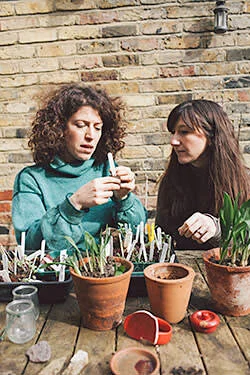
Flowers, pah! They’re just a waste of space. The novelist on why her garden is all about ‘growing stuff that I can eat’

Baths are the perfect place for murder: self-contained, soundproof, easily sluiced. And crime fiction is the greatest analgesic. When life is particularly grisly, we don’t have time for idiots falling in love, or Britain’s glorious hedgerows.

Resolutions are for teenagers. Once we’re adults, we no longer need to start the year with self-loathing, failure and shame. Give blood, walk more, donate to charity, wear your favourite clothes, find a therapist, stroke pets.

Please don’t say that I’m alone. Or perhaps I am, and that’s why I do it. Yes, I know some of you, the captains of industry, the retired teachers, were forced to learn bushels of poetry, in the good old days. You can declaim “Shall I compare thee to a summer’s day” and “I wandered lonely as a cloud” if called upon . . . but you never are. Memorising couplets may train your intellect, and keep the great voices of the canon alive but, otherwise, does it sustain you?
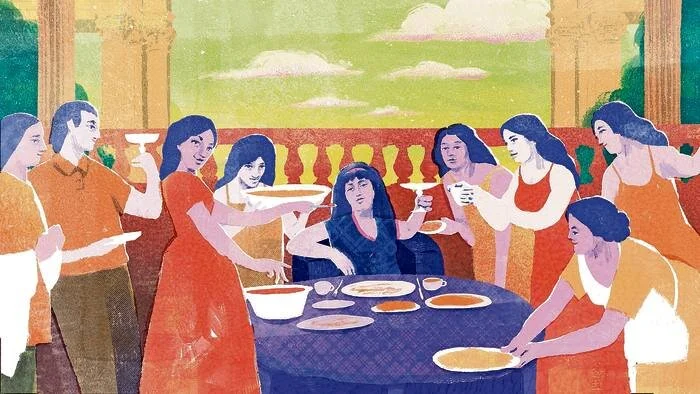
Like the average middle-class English person, I was pretty confident about Italy. I had schlepped round Florence, felt Jamesian in Venice, almost driven off a vineyard wall in Montepulciano. Now it was time for Rome.
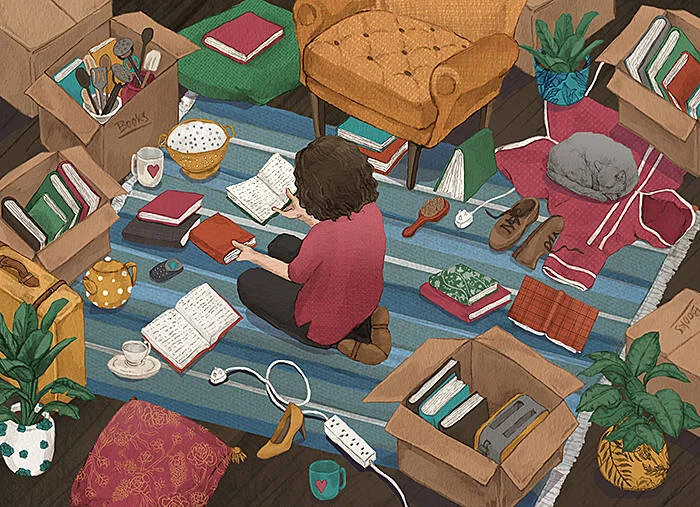
I am definitely not a hoarder. Trust me: I know. If my parents ever move house, it would be simpler to hire a wrecking ball.
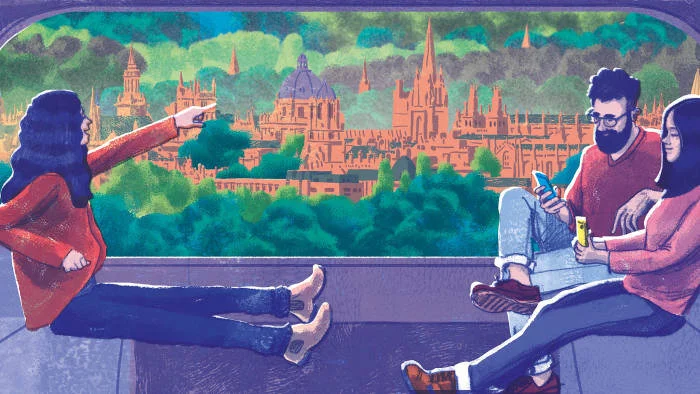
How dare they? Oxford is my hometown; I love it. No, I hate it. Most importantly, I know it. But I never gave permission for it to change.

People of Europe, don’t go to Moscow. You may think you are prepared, with your ultra-light down gilets and ankle boots, your vague memory of a school performance of Chekhov’s Three Sisters, your last-minute listen to Sting’s 1985 classic “Russians”, with the line that blew my, I mean your, teenage mind: “Russians love their children too.” But you are simply not tough enough. Stick to Lisbon; St Petersburg, if you’re feeling adventurous. But not Moscow.
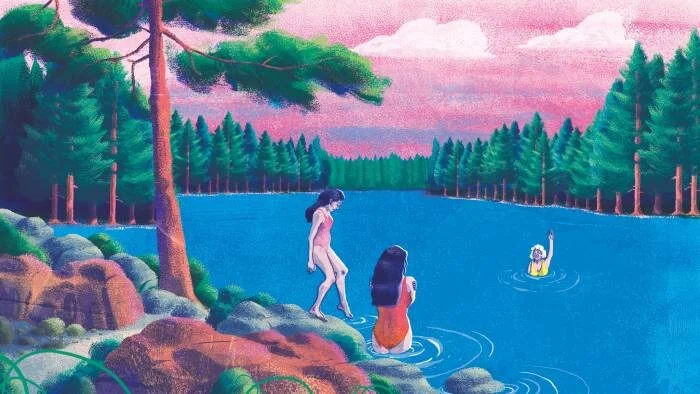
There’s nothing wrong with optimism, as long as you don’t get your hopes up. If one really wants something, it’s easy to put doubts aside. This time will be the exception; bad boyfriends changed into princes, strangely easy childbirth, jars of honey waved through in our carry-on luggage . . . surely, for me, it’ll work out.
I was, unusually, lost for words. Over toast, my Glaswegian hosts and I were discussing Scottish independence. Young, Green, and angry, they were furious with Nicola Sturgeon for delaying plans to hold another referendum
London, you are glorious. You are also brutal, bogus, ruined and you smell. For the past few days, in the shadow of Saturday’s attacks, I’ve been trying to see Britain’s capital as others might. It’s a mystery. Why are we all here?
The Guardian
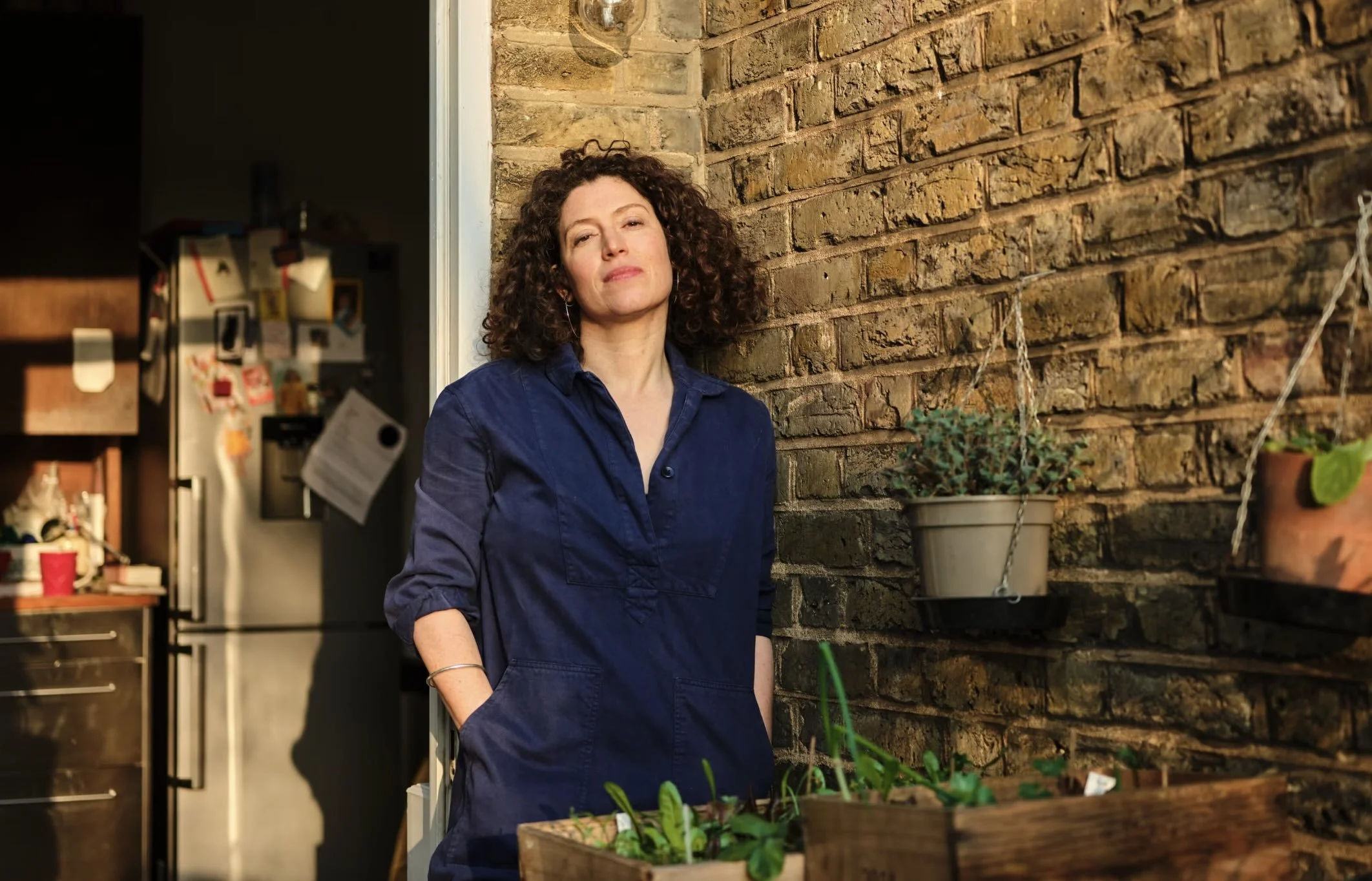

This startlingly ugly room is where I try to write. But, awful as it looks, the Useless Room, aka the Hopeless Room, represents progress. Until recently, I worked in a sea of Sticklebriks in the sitting-room

The author describes her best distraction techniques, the odd people she meets in the British Library, and the occasional triumphs of a typical working day

I grow more than 100 things to eat, including eight or nine types of tomato, five varieties of kale, three kinds of raspberry, various sorrels, 10 kinds of lettuce and a few flowers, all edible

As a child, Charlotte Mendelson thought her grandparents' native Hungarian sounded ridiculous. But now her tiny vocabulary keeps their memory alive
Every book I read in my youth spoke to my sexuality, because I was straight: Darcy; Heathcliff; the fondue orgy in Asterix in Switzerland – I longed for them all. Later, when things became more romantically interesting, which was the book which spoke to me most strongly? There wasn’t one.
Springtime can kill you, but autumn is worse. If one’s soul responds to nature – and, as Louis Armstrong said of jazz, if you have to ask what that means, you’ll never know – then its beauty is painful. Whatever TS Eliot thought (the poor man was wrong about so much), autumn is the most painful time of all.
More than almost any other writer, she understands the currents beneath the surface. Who knew the human heart better?
essays & Miscellaneous
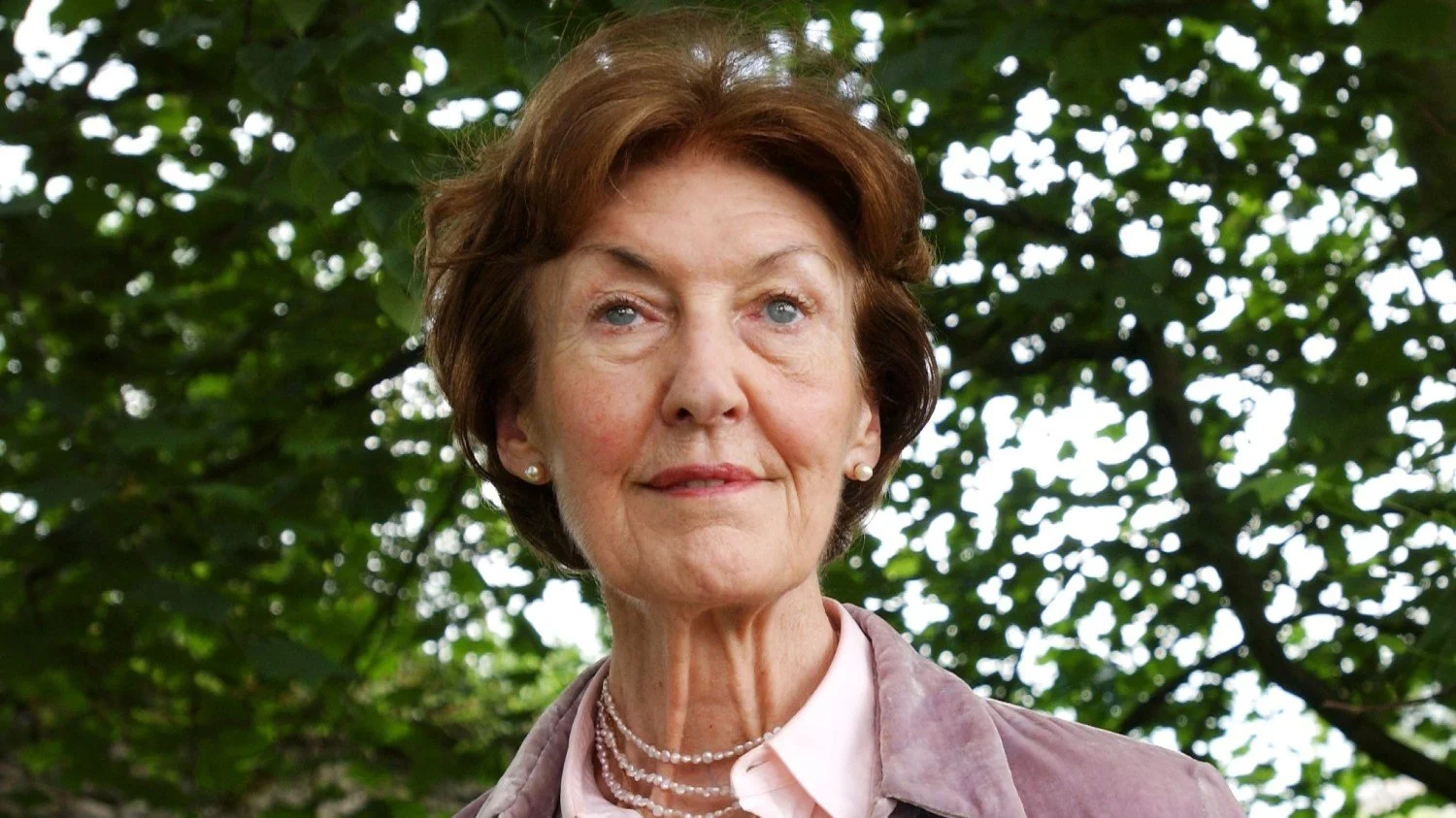
Charlotte Mendelson salutes an underrated author with no time for happy endings or comeuppances
Iris Murdoch is grievously misunderstood. If you care about fiction, this should make you furious. Twentieth and, inevitably, twenty-first century literature, television, film, are packed with female writers whose work is dismissed.
Every book I read in my youth spoke to my sexuality, because I was straight: Darcy; Heathcliff; the fondue orgy in Asterix in Switzerland – I longed for them all. Later, when things became more romantically interesting, which was the book which spoke to me most strongly? There wasn’t one.
I am a bad blogger. Actually, I'm no blogger at all; every word I have is currently being poured into either Twitter, my favourite waste of time (perfect for interrupters, perfect for chatty introverts, just...perfect) or my current, fifth, novel. And, secretly, into another secret book, which arose out of HINT something I've posted on this very website.
Perhaps careers offices have changed since the late Eighties. When I was at school, not one of the folders on display contained a single job I could imagine doing. Was this because it was a girls’ school, so, swotty and over-achieving as we strove to be, we were encouraged to do the less showy, more supportive, aspects of even the most demanding jobs: solicitors, not barristers; health visitors, not surgeons; primary school teachers, not professors; caterers, not chefs?
Some people can juggle. I don't know why they want to, but they can. Others can dive, learn languages quickly, play the flute, walk into rooms without crashing into the doorframe